


Essence
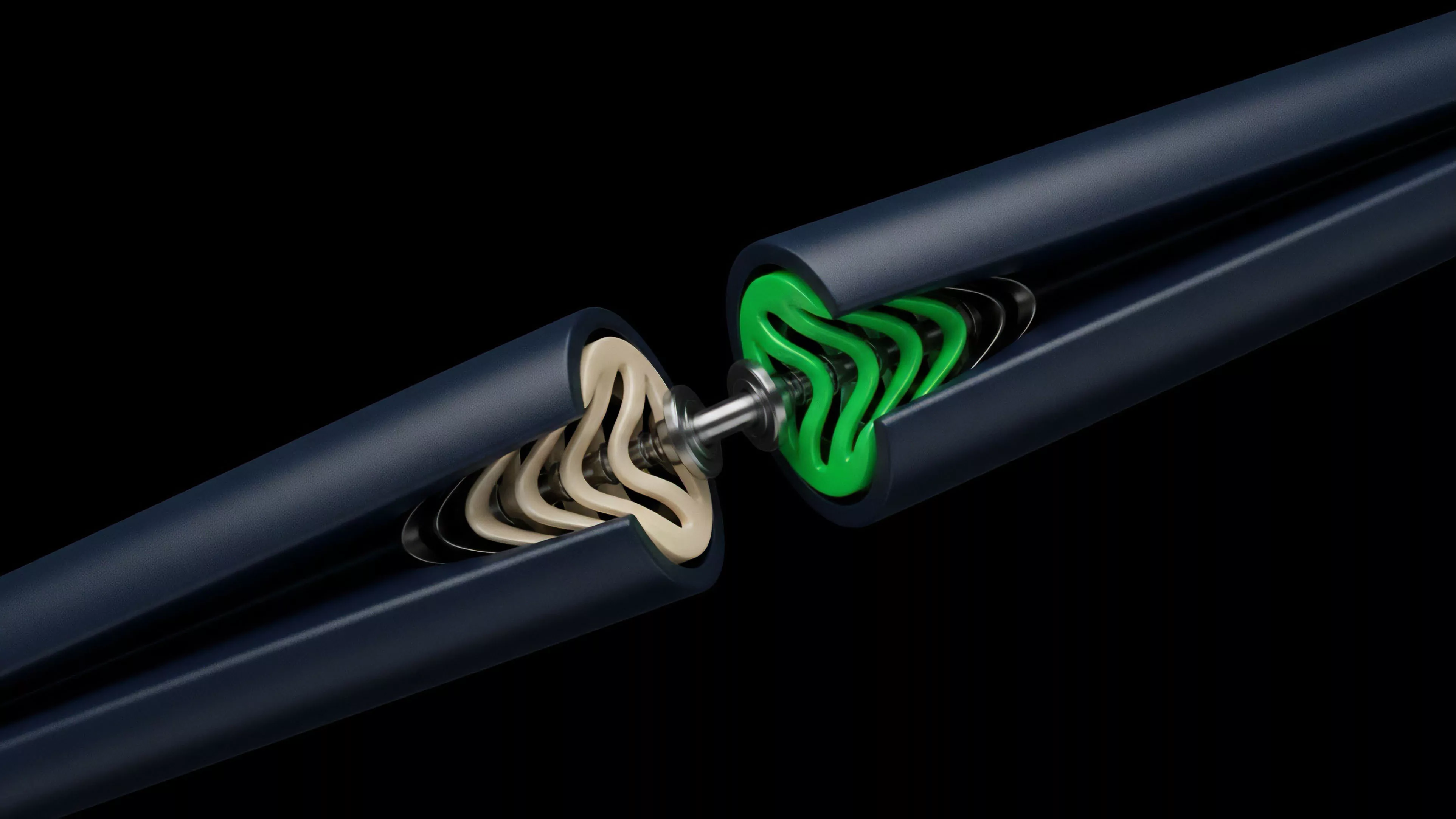
Systemic Shock Absorbers function as the architectural dampeners within decentralized derivative markets. They represent the programmatic mechanisms designed to dissipate extreme volatility, prevent cascading liquidations, and ensure order execution stability during high-stress liquidity events.
Systemic shock absorbers act as circuit breakers and liquidity buffers that preserve market integrity when volatility exceeds standard operational thresholds.
These mechanisms mitigate the inherent fragility of crypto-collateralized positions. Without these interventions, the rapid feedback loops triggered by automated liquidations would otherwise drive assets toward insolvency, threatening the solvency of the entire protocol.

Origin
The genesis of these mechanisms traces back to the catastrophic failures observed in early on-chain lending and derivatives protocols. Initial architectures lacked the safeguards necessary to handle the rapid, non-linear price drops characteristic of digital asset markets.
- Liquidation cascades occurred when rapid price depreciation triggered automatic sell-offs, further depressing collateral values.
- Oracle latency exposed protocols to arbitrage attacks when off-chain price feeds lagged behind on-chain volatility.
- Insufficient insurance funds left protocols vulnerable to bad debt when liquidators failed to clear underwater positions.
Market designers recognized that standard financial models failed to account for the unique speed of blockchain settlement. Consequently, they began engineering bespoke Systemic Shock Absorbers to replace or supplement traditional margin requirements, drawing inspiration from high-frequency trading circuit breakers and insurance pool structures.

Theory
The mathematical modeling of these absorbers relies on dynamic risk sensitivity analysis. Protocols calculate Liquidation Thresholds using real-time delta and gamma adjustments to account for the heightened convexity of crypto-assets during market panics.
Dynamic margin engines adjust collateral requirements based on volatility surface shifts to prevent insolvency before price movements reach critical failure points.
| Mechanism | Function | Risk Mitigation |
| Dynamic Margin | Adjusts requirements based on volatility | Reduces probability of forced liquidation |
| Insurance Funds | Absorbs negative balance shortfalls | Prevents protocol-wide contagion |
| Circuit Breakers | Halts trading during anomalous price gaps | Limits damage from oracle manipulation |
The theory assumes an adversarial environment where participants exploit any technical lag. By integrating Time-Weighted Average Price (TWAP) oracles and volatility-adjusted margin, protocols create a buffer that absorbs the immediate kinetic energy of a crash. Occasionally, one observes that these mathematical models mirror the physics of dampening systems in mechanical engineering, where energy dissipation is proportional to the velocity of the shock.
The goal remains the same: maintaining system equilibrium.

Approach
Modern implementations utilize decentralized governance to calibrate Systemic Shock Absorbers parameters in real-time. Protocols now employ automated liquidity rebalancing and multi-stage liquidation processes to distribute the impact of large position closures across multiple blocks.
- Automated Deleveraging (ADL) systematically closes counterparty positions when insurance funds cannot cover losses.
- Multi-tier Liquidation structures allow liquidators to purchase collateral at varying discounts to maintain order flow.
- Oracle Smoothing filters price noise to prevent stop-loss hunting caused by brief, non-representative price spikes.
This approach shifts the burden of risk from individual participants to the protocol architecture itself. By socializing the cost of extreme volatility through insurance pools, the system gains resilience at the expense of potential dilution for liquidity providers.
Evolution
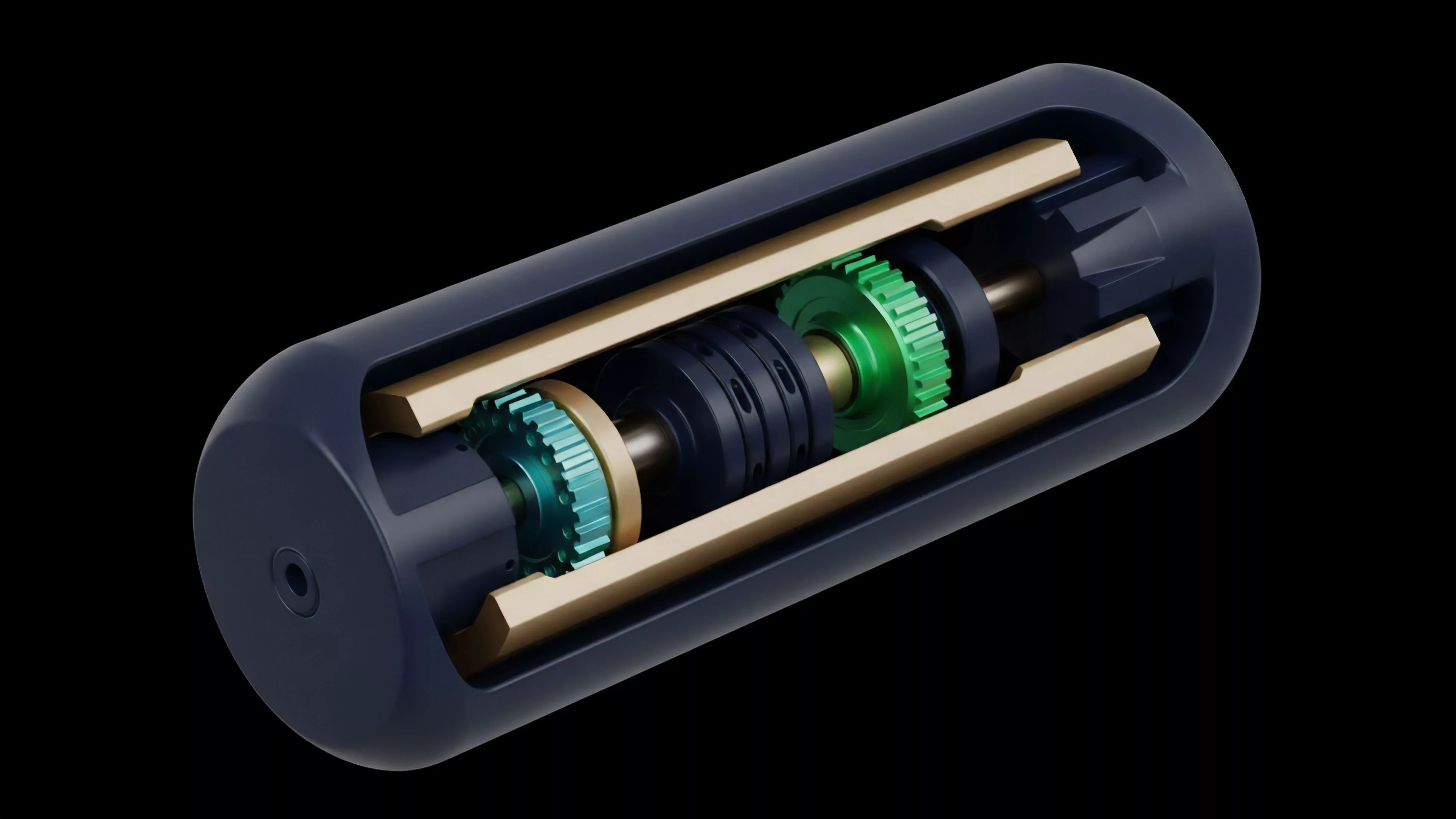
Development has moved from static collateral requirements toward adaptive, risk-aware frameworks. Early iterations relied on rigid loan-to-value ratios that proved ineffective during liquidity crunches.
| Phase | Primary Focus | Technological Advancement |
| Generation One | Fixed collateralization | Simple over-collateralization ratios |
| Generation Two | Insurance fund bootstrapping | Protocol-owned liquidity buffers |
| Generation Three | Adaptive risk modeling | Real-time volatility-indexed margin |
The current landscape emphasizes capital efficiency without compromising safety. Developers now focus on Cross-Margin Systems that allow for more granular control over position risk, reducing the frequency of total account liquidations.

Horizon
Future developments point toward autonomous, AI-driven risk management layers that predict shock events before they manifest. These systems will likely incorporate machine learning to analyze global liquidity conditions and adjust margin parameters proactively.
Predictive risk management layers will enable protocols to pre-emptively increase collateral demands before high-volatility events materialize.
The transition toward Decentralized Clearing Houses will further standardize how these absorbers function across the industry. Standardizing these protocols reduces the risk of systemic failure by ensuring that all participants operate under the same robust safety definitions.