



Essence
Hybrid Liquidity Engines function as the sophisticated architectural synthesis between automated market making algorithms and traditional order book structures within decentralized finance. These mechanisms address the fundamental inefficiency of fragmented liquidity by simultaneously aggregating passive liquidity from concentrated pools and active, intent-based liquidity from market makers. By bridging these two distinct operational modes, protocols reduce slippage for large-scale derivative trades while maintaining continuous price discovery.
Hybrid Liquidity Engines represent the structural unification of automated pool-based liquidity and active order book market making for optimized trade execution.
The core utility resides in the ability to balance the deterministic nature of constant function market makers with the adaptive, quote-driven dynamics of professional liquidity providers. This architecture permits a protocol to remain functional during periods of extreme volatility where pure algorithmic pools suffer from toxic flow and adverse selection. The system acts as a multi-layered filter, ensuring that capital is deployed where it generates the highest yield relative to the prevailing risk environment.

Origin
The genesis of Hybrid Liquidity Engines traces back to the inherent limitations observed in early decentralized exchange designs.
Initial models relied exclusively on automated constant product formulas, which necessitated significant over-collateralization and suffered from substantial price impact during large orders. Market participants required a mechanism that could replicate the efficiency of centralized exchange order books without sacrificing the permissionless and non-custodial nature of blockchain protocols. The evolution of these engines was accelerated by the demand for sophisticated derivative products, such as options and perpetual futures, which require precise delta hedging and deep liquidity across a wider price spectrum.
Developers began integrating off-chain order books with on-chain settlement layers, creating a hybrid environment where liquidity could be sourced from multiple venues. This shift signaled a move away from monolithic liquidity models toward modular, interoperable systems that prioritize capital efficiency.

Theory
The mechanical structure of Hybrid Liquidity Engines relies on a multi-tiered approach to asset management and price discovery. At the base layer, liquidity is provided through concentrated liquidity positions, which allow capital to be deployed within specific price ranges to maximize fee generation.
Above this, the system incorporates an order book layer that processes limit orders, enabling traders to define specific entry and exit points.
The engine architecture optimizes capital allocation by routing order flow through the most efficient liquidity tier based on real-time volatility metrics.
This dual-structure is governed by a sophisticated routing algorithm that evaluates the state of the market to determine the optimal execution path. The algorithm considers several parameters:
- Price Impact Analysis: The system calculates the potential slippage across all available liquidity tiers before finalizing the trade execution.
- Volatility Sensitivity: During high volatility regimes, the engine shifts more weight toward the order book to prevent the depletion of automated pools.
- Latency Minimization: The integration of off-chain sequencing ensures that order matching occurs with minimal delay compared to pure on-chain execution.
This approach creates a robust environment capable of managing complex risk profiles. The interaction between passive pool participants and active market makers establishes a feedback loop that stabilizes prices and discourages predatory behavior.
| Liquidity Source | Execution Mode | Risk Profile |
|---|---|---|
| Automated Pool | Deterministic | Systemic |
| Order Book | Quote-Driven | Counterparty |
The mathematical foundation rests on the integration of Black-Scholes pricing models for option derivatives with dynamic liquidity depth calculations. This ensures that the engine can accurately price instruments even when the underlying assets experience rapid fluctuations. Occasionally, the complexity of these models reminds one of fluid dynamics, where small changes in boundary conditions propagate through the entire system to produce unexpected results.

Approach
Current implementations of Hybrid Liquidity Engines focus on maximizing the utility of available capital through dynamic rebalancing and cross-margin protocols.
Market makers now utilize these engines to hedge their exposures across multiple chains, effectively utilizing the liquidity depth provided by the hybrid structure to minimize their own risk of liquidation. The focus has shifted from simple swap execution to complex derivative strategy management.
- Automated Hedging: Protocols now programmatically adjust delta exposure by utilizing the liquidity provided by the hybrid engine.
- Capital Efficiency: Users can deposit assets into a single vault that distributes capital between pools and order books based on yield performance.
- Risk Isolation: Advanced margin engines within these systems ensure that the failure of one participant does not cascade into the liquidity pools.
This tactical approach requires continuous monitoring of market microstructure data. Participants must evaluate the depth of the order book versus the pool density to determine the most cost-effective execution venue for their specific derivative position.
Evolution
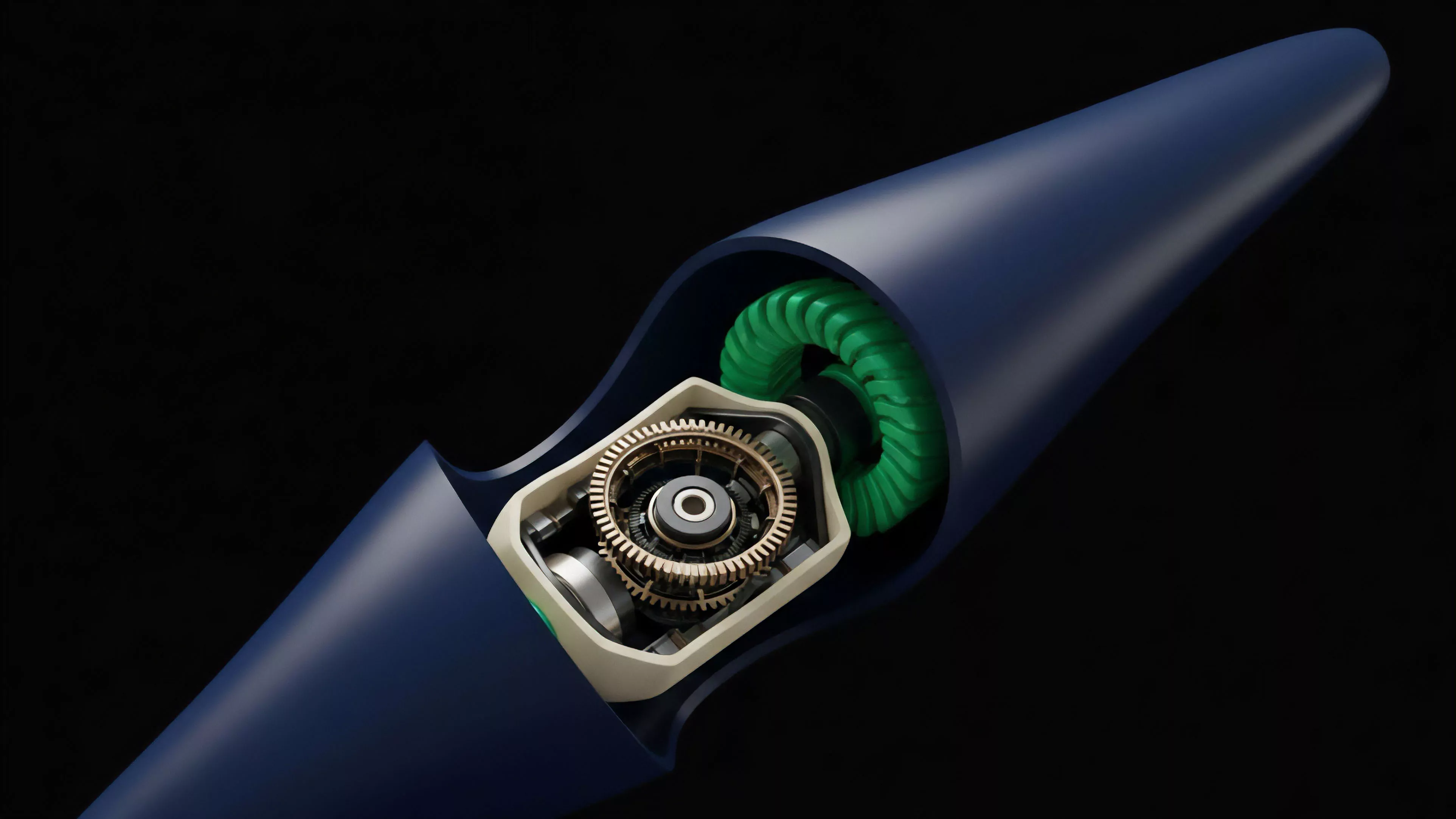
The trajectory of Hybrid Liquidity Engines has moved from simple dual-liquidity models to highly integrated, cross-protocol infrastructures. Early versions functioned as basic wrappers around existing liquidity pools, whereas modern systems act as full-stack financial environments.
The shift has been driven by the need for better risk management tools, as the industry matured beyond speculative trading into professional-grade financial engineering.
Evolution of the engine architecture reflects the transition from simple swap mechanisms to sophisticated, risk-managed derivative trading platforms.
Technological advancements in zero-knowledge proofs and layer-two scaling solutions have further refined these engines. These tools allow for private order matching and faster settlement times, which are essential for maintaining competitiveness against centralized trading venues. The integration of decentralized oracle networks has also provided more accurate, real-time price feeds, reducing the susceptibility of these engines to oracle manipulation attacks.
| Era | Focus | Primary Constraint |
|---|---|---|
| Generation One | Liquidity Aggregation | Execution Speed |
| Generation Two | Derivative Support | Capital Efficiency |
| Generation Three | Cross-Chain Interoperability | Security Latency |
Horizon
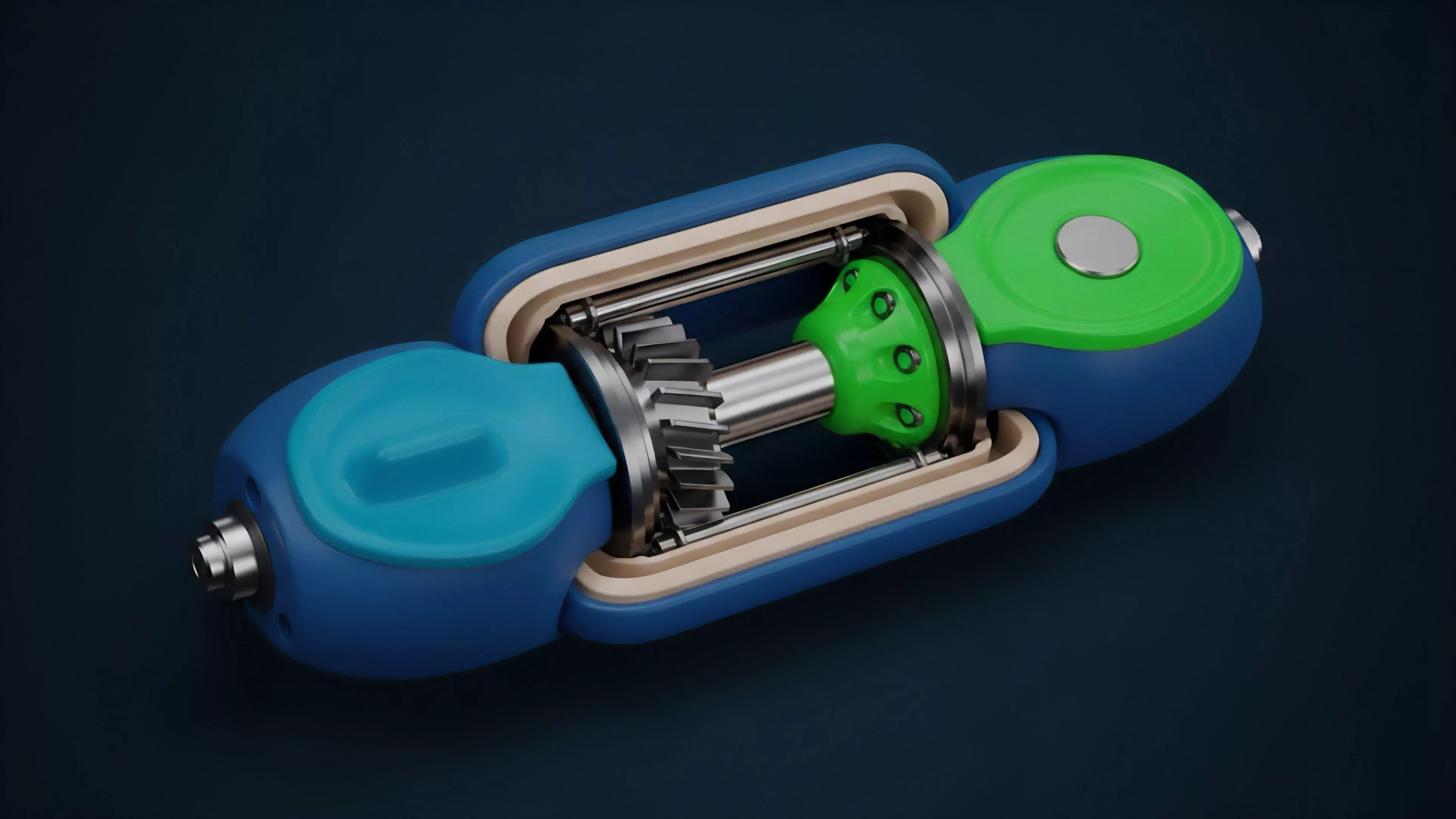
The future of Hybrid Liquidity Engines lies in the development of autonomous, AI-driven liquidity management agents that can predict market shifts and adjust position sizing in real time. These agents will operate within the hybrid structure, optimizing for both yield and risk mitigation without human intervention. The integration of intent-centric protocols will further simplify the user experience, allowing traders to submit complex strategies that the engine executes across the most efficient liquidity sources. Increased regulatory clarity will likely drive the adoption of these engines by institutional entities seeking to access decentralized markets while maintaining strict compliance. The ultimate goal is a global, unified liquidity fabric where derivative instruments are priced and settled with near-zero friction. As these systems become more autonomous, the primary challenge will shift toward ensuring the security of the underlying smart contract code against increasingly sophisticated adversarial actors. What remains the most significant, yet unresolved, paradox in the transition from human-managed to fully autonomous liquidity systems?