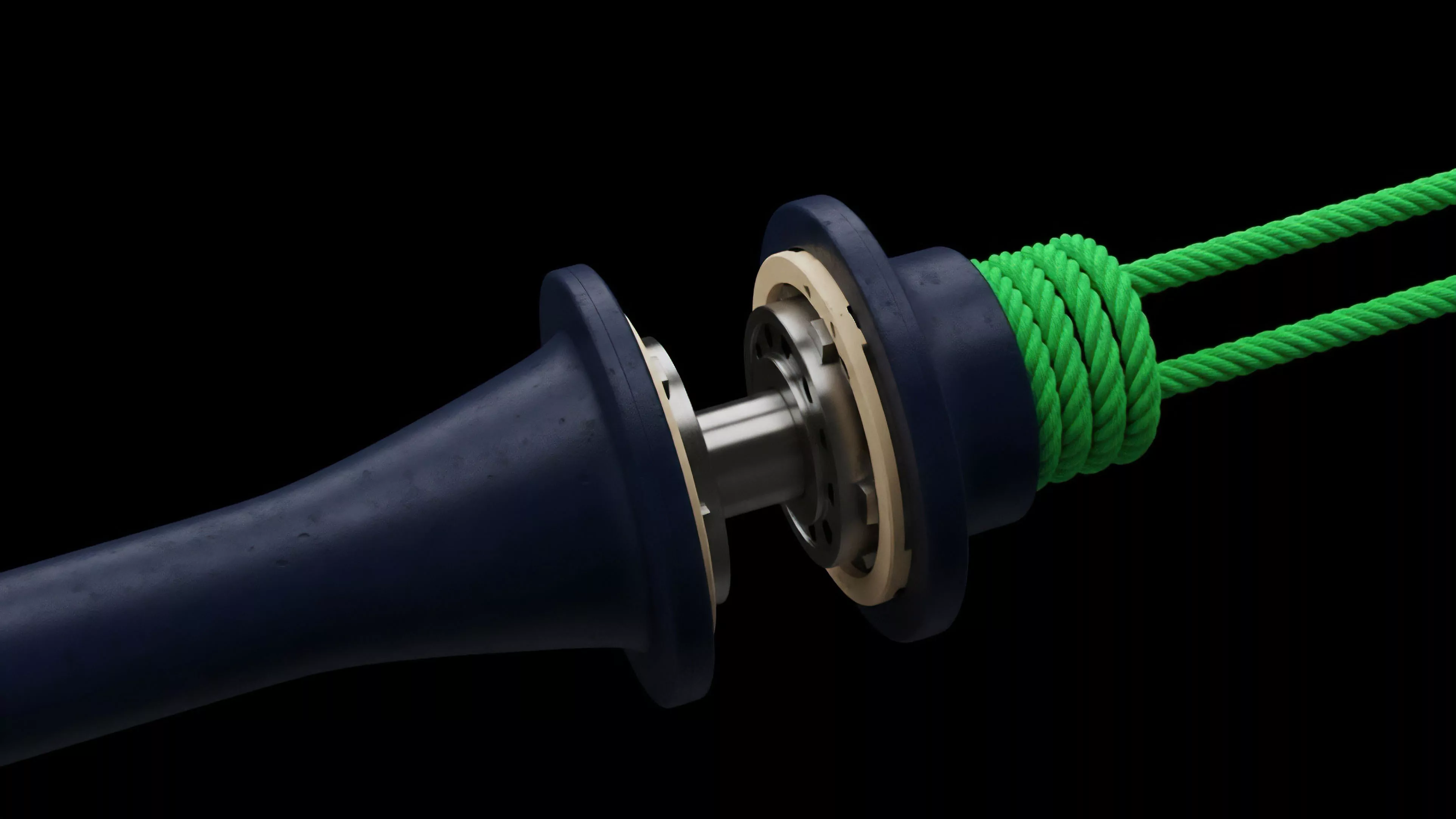
Interoperability Protocol Flaws manifest as deviations from intended operational sequences within cross-chain or multi-protocol systems. These flaws can trigger unintended asset transfers, governance manipulation, or data corruption, particularly when protocols lack robust validation mechanisms at interaction points. Remediation often necessitates architectural redesign, incorporating stricter input sanitization and formalized agreement protocols to mitigate cascading failures across interconnected systems. Addressing these vulnerabilities requires a proactive approach, integrating formal verification techniques and continuous monitoring to detect and respond to anomalous behavior.
Architecture
The architectural design of interoperability protocols frequently introduces complexities that become fertile ground for flaws. Layered abstractions, while intended to simplify integration, can obscure critical dependencies and create attack surfaces. A modular design, while promoting flexibility, may lack sufficient safeguards against malicious actors exploiting vulnerabilities in individual components. Secure architecture demands a holistic view, incorporating principles of least privilege, defense in depth, and rigorous testing across all interaction pathways.
Algorithm
Algorithmic flaws within interoperability protocols represent a significant risk, particularly in decentralized exchanges (DEXs) and cross-chain bridges. Incorrectly implemented consensus mechanisms or flawed oracle integrations can lead to arbitrage opportunities or even complete system compromise. Formal verification and rigorous auditing of cryptographic primitives are essential to ensure the integrity of these algorithms. Furthermore, adaptive algorithms that dynamically adjust to changing network conditions are crucial for maintaining resilience against evolving threats.
Meaning ⎊ Cross-chain vulnerabilities represent systemic risks where trust assumptions and cryptographic logic fail during the transfer of value between chains.